
You're probably at the stage where Maple Ridge has moved from “maybe” to a serious contender. The price difference from closer-in Metro Vancouver cities is hard to ignore, the homes feel more spacious, and the mountain-and-river setting keeps pulling buyers back for a second look. The question isn't whether Maple Ridge looks good on paper, it's whether the day-to-day trade-offs fit your life.
As a local realtor, I hear the same conversation over and over. A family gets priced out of Burnaby or East Vancouver, a first-time buyer wants more than a condo box, or a downsizer wants a quieter place without losing connection to the Lower Mainland. Maple Ridge can be a smart answer, but only if you're clear about what you're buying into.
The honest version of is Maple Ridge a good place to live comes down to three things. You have to weigh neighbourhood character, commute realities, and the social pressures residents are already talking about. That's where fit, or mismatch, shows up.
Why Families Keep Asking About Maple Ridge
A common first conversation starts with a family standing in a kitchen in Coquitlam, Port Coquitlam, or Burnaby, looking at a budget that no longer stretches far enough. They want a yard, a second bathroom, a school they can live with, and a neighbourhood that still feels like a community. Maple Ridge keeps coming up because it offers that suburban feel without pushing buyers all the way out of Metro Vancouver.
That is the appeal, and it is also the trade-off. The city is described in its lifestyle materials as offering an outstanding quality of life at an affordable price, and Maple Ridge is also presented as family-oriented, with a strong owner-occupier base and a settled residential feel City of Maple Ridge lifestyle overview. The practical question for buyers is whether the housing savings still make sense once you factor in commuting, weekday routines, and the day-to-day friction that comes with living farther east.
What buyers are really asking
They are not only asking whether the houses are bigger. They are asking whether the lifestyle still works on a weekday morning, after work, and on a rainy Saturday in February.
Practical rule: If a move only makes sense because the list price is lower, keep digging. The commute, parking, errands, and school run can erase the win faster than buyers typically budget for.
That is why Maple Ridge draws strong interest from buyers who value space, nature, and a more grounded neighbourhood feel. A practical neighbourhood guide like this Maple Ridge neighbourhood overview helps narrow the search, because the experience changes a lot from one part of the city to another. Buyers who focus only on the price often miss the part that matters more, which is how satisfied they will feel living on that street, doing the school run, and handling errands week after week.
The city can feel calm and welcoming in one area, then noticeably more pressured in another, especially once you start paying attention to traffic flow, service access, and the types of streets you would live on. That is also why walkability and daily convenience deserve a closer look, not because every family needs an urban core, but because the wrong location can turn a good deal into a tiring routine. The Saleswise walkability guide for agents is a useful reminder that practical access to shops, schools, and services shapes how a neighbourhood feels after the sale closes.
The decision usually comes down to fit. Some buyers want a close community and plenty of park space. Others need shorter commutes and more urban convenience. Maple Ridge can work very well for the first group, and less well for the second.
Neighbourhood Profiles Across Maple Ridge
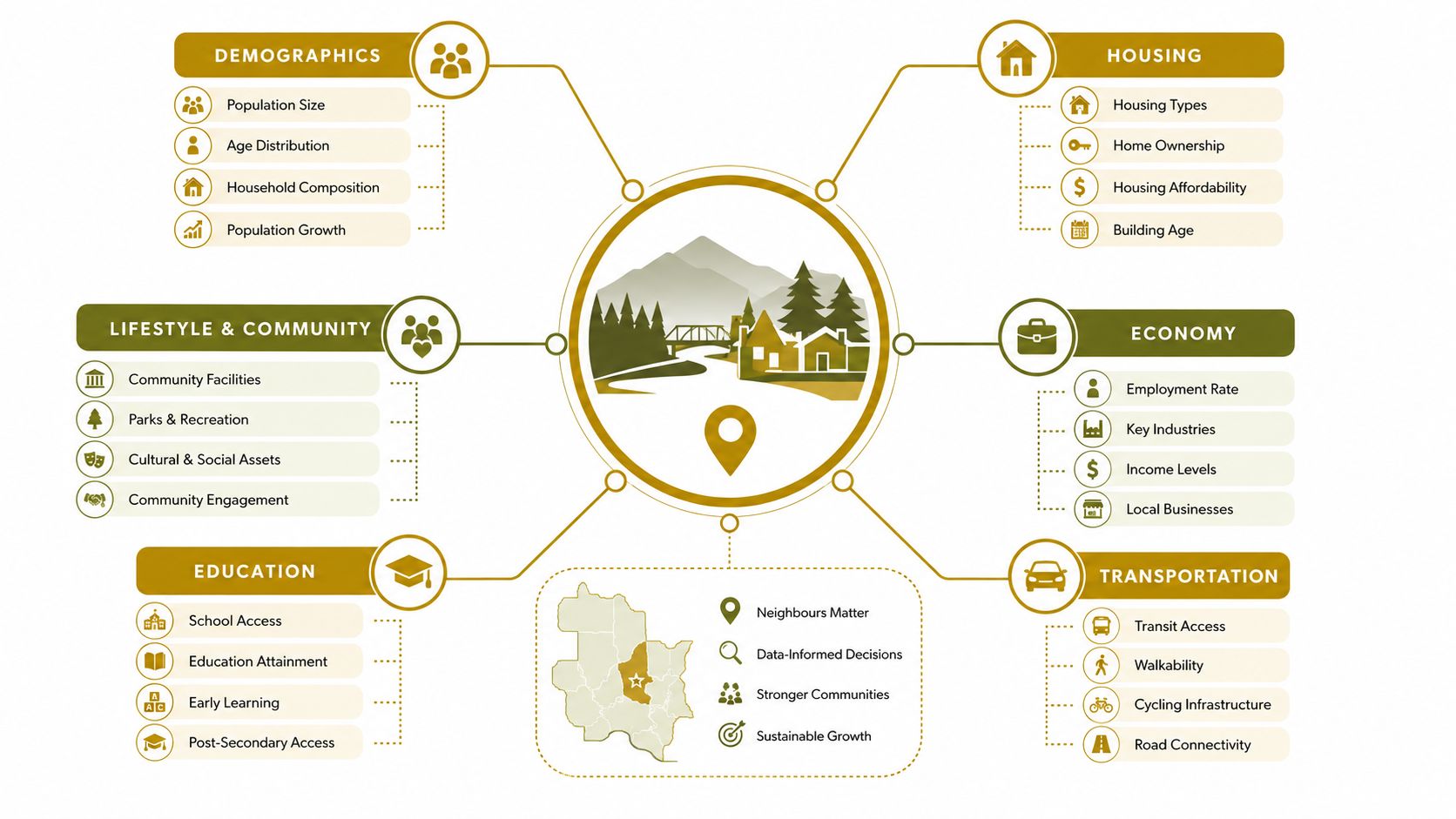
A useful way to judge Maple Ridge is to stop treating it like one market. The city has distinct pockets, and the right fit depends on whether you want newer construction, a more established street pattern, or quick access to greenspace. A practical neighbourhood guide like this Maple Ridge neighbourhood overview can help narrow the search, but the broad character of each area is easy to outline.
Albion and Cottonwood
Albion tends to appeal to families who want established residential streets, a strong school-oriented feel, and a layout that makes daily routines straightforward. You'll usually see detached homes and newer family housing mixed through the area, with buyers often choosing it for catchment considerations and a familiar suburban rhythm.
Cottonwood has a slightly different energy. It often attracts buyers who want a balance of community amenities and a wider range of price points than some of the newer pockets. People who want to be close to schools, errands, and everyday services often end up here because the area feels practical without feeling overly busy.
Silver Valley and Kanaka Creek
Silver Valley is where buyers tend to look if they want newer homes and quick access to nature. The appeal is clear, more recent construction, greener surroundings, and a quieter pace than the more central parts of the city. It works well for buyers who are willing to trade some convenience for a more tucked-away feel.
Kanaka Creek attracts a similar buyer, but with even more emphasis on open space and a slower daily rhythm. If your ideal weekend involves trails, parks, and less traffic noise, this part of Maple Ridge can feel like a strong match. It suits buyers who value privacy, outdoor access, and a home base that feels removed from the busier corridor.
West Maple Ridge
West Maple Ridge usually appeals to buyers who want a more established, central-feeling environment. The streets feel lived-in, and the area often draws people who want easier access to the broader city without losing the residential character that makes Maple Ridge appealing in the first place.
For many clients, the deciding factor is simple. If they want newer finishes and more nature, Silver Valley rises to the top. If they want school-focused family living, Albion often gets the nod. If they want a more traditional suburban feel, West Maple Ridge remains a steady choice.
A good walkability lens also helps here. Before committing to any area, I often suggest reading the Saleswise walkability guide for agents, because it helps buyers think beyond a house and assess how the surrounding streets function day to day.
Housing Costs and the Full Affordability Picture
A lot of buyers first look at Maple Ridge and see a clearer path to ownership than they'd find in closer-in Metro Vancouver cities. That part is true. The city's lifestyle factsheet shows a benchmark detached single-family home price of $578,400 in Maple Ridge compared with $1,305,600 across Metro Vancouver overall, and an average 2-bedroom rental of $864 in Maple Ridge versus $1,368 in Vancouver. Maple Ridge lifestyle factsheet For families priced out of detached housing in the core, that gap can be the difference between buying a home with a yard and staying in a tighter condo search.
The part that gets missed is what the budget looks like after possession. Maple Ridge still posts a high property-price-to-income ratio of 8.51, and residents are far more likely to drive to work, 48.5%, than use transit, 4.7%, compared with the B.C. average of 7.4% on transit Numbeo quality of life data for Maple Ridge. In practical terms, the monthly savings on housing can get absorbed by fuel, vehicle wear, and a longer commute.
A lower purchase price helps only if the rest of the budget still works once driving costs and commute time are part of the picture.
Recent cost-of-living data keeps Maple Ridge in the same middle ground. LivingCost estimated an average monthly cost of living of $2,266, ranked 11th out of 153 Canadian cities and 7th out of 22 in British Columbia, with an estimated population of 82.3K LivingCost Maple Ridge profile. That points to a mature suburban market, not a cheap one. Buyers need to look at total household costs, not just the mortgage payment.
The trade-off becomes clearer when you compare Maple Ridge with closer-in areas. A home here can buy more space for the money, but that advantage shrinks if both adults are commuting and the family is paying for two vehicles, parking, and more time away from home. Some clients are comfortable making that exchange because they value the yard, the square footage, or the chance to own sooner. Others decide the daily commute is the price they don't want to keep paying.
The cleanest way to judge affordability is to lay out the full monthly picture before you write an offer. I usually point buyers to this Maple Ridge home pricing guide and ask them to compare the numbers against their real commute, fuel use, and vehicle costs, not a best-case version of them.
Schools Parks and Daily Life for Families

Families usually care about Maple Ridge for the same reason they keep coming back after their first drive through town, it feels like a place where daily life still has breathing room. The city's natural setting matters, but so does the practical structure around it. Schools, parks, and recreation shape the day-to-day experience much more than a listing photo ever will.
What daily life looks like
School catchments matter a lot here, especially in family-heavy pockets like Albion and Cottonwood. Buyers often decide on a home first by the street, then by the school access, then by how manageable the weekly routine feels. That's one reason Maple Ridge appeals to parents who want a clearer line between home life, school life, and weekend life.
The park network and nearby outdoor areas are a major draw too. Kanaka Creek Regional Park and Golden Ears Provincial Park give the city a level of natural access that many Metro Vancouver suburbs can't match, and that shapes how residents use their free time. For some families, that means fewer “What are we doing this weekend?” conversations, because the answer is already built into where they live.
A neighbourhood feels family-friendly when the ordinary parts of the week are easy, school drop-off, groceries, after-school activities, and an outdoor option without a long drive.
Maple Ridge's community spirit also shows up in how residents talk about the city. In the city's 2025 independent community survey, 70% of respondents agreed Maple Ridge has natural beauty, community spirit, and economic potential, and 56% said it is an attractive place to live City of Maple Ridge 2025 survey results. That doesn't make every pocket perfect, but it does explain why so many families feel at home here once they settle into the right area.
If you're comparing school-and-park lifestyle options, a detailed local guide like this moving to Maple Ridge resource is useful because it keeps the focus on real day-to-day routines, not just broad city marketing.
Honest Look at Safety and Community Concerns
A lot of online content about Maple Ridge gets too cheerful here. That's a mistake. Residents are already telling us what bothers them, and buyers deserve to hear it plainly before they commit to a neighbourhood.
The city's 2024 citizen satisfaction survey found 71% of residents were satisfied with their quality of life, while 21% were dissatisfied Maple Ridge citizen satisfaction survey coverage. Family households with children were among the least satisfied groups at 66%, which matters because that's the exact group many Maple Ridge buyers fit into. The most common concerns were homelessness, crime and safety, and addiction or drug use.
What residents are actually reacting to
Another Maple Ridge survey reported 77% of respondents were either very satisfied or somewhat satisfied with quality of life, while 16% were dissatisfied. Among those dissatisfied, the most common concerns were homelessness, drugs, and crime, with traffic congestion and poor road infrastructure also cited Maple Ridge survey coverage on quality of life concerns. That combination tells you the issue is not one single problem, it's the overlap of social pressure, infrastructure strain, and how residents perceive the neighbourhood around them.
Different parts of Maple Ridge feel these pressures differently. A busy corridor, a quieter cul-de-sac, and a newer development don't deliver the same lived experience, even if they sit in the same city. Buyers who care about calm streets and school-focused routines should pay more attention to block-level reality than citywide averages.
I also advise clients not to confuse concern with hopelessness. Maple Ridge still has a strong base of resident satisfaction, but the city is clearly dealing with visible service pressure that can influence how people feel about an area. That's a real consideration, not a reason to panic.
For buyers who want a broader sense of local safety discussion and neighbourhood response, this Fraser Valley safety protocol article sits in the same practical conversation, because perception, street experience, and seller presentation all intersect in real estate.
Pros and Cons for Different Buyer Types
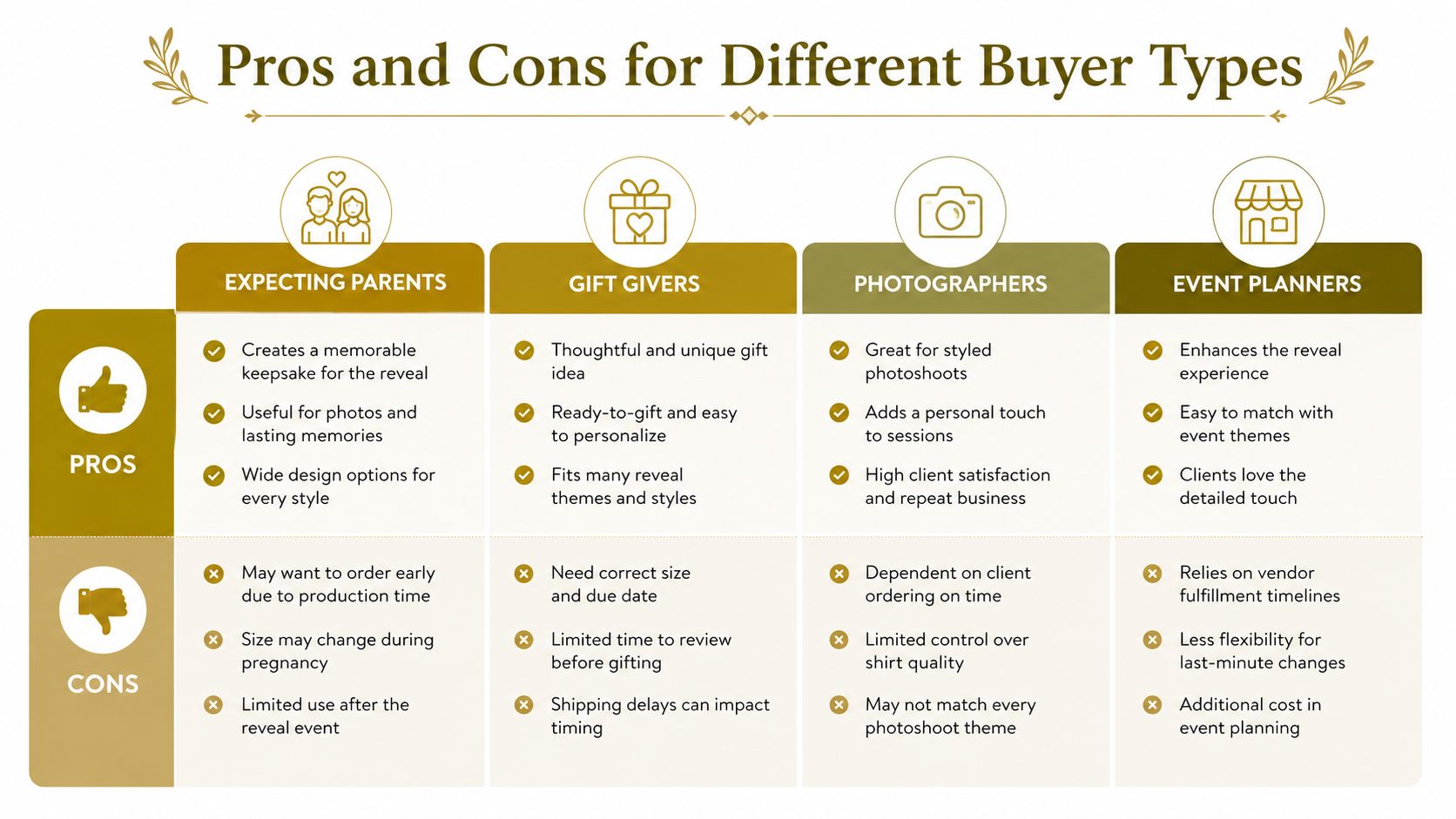
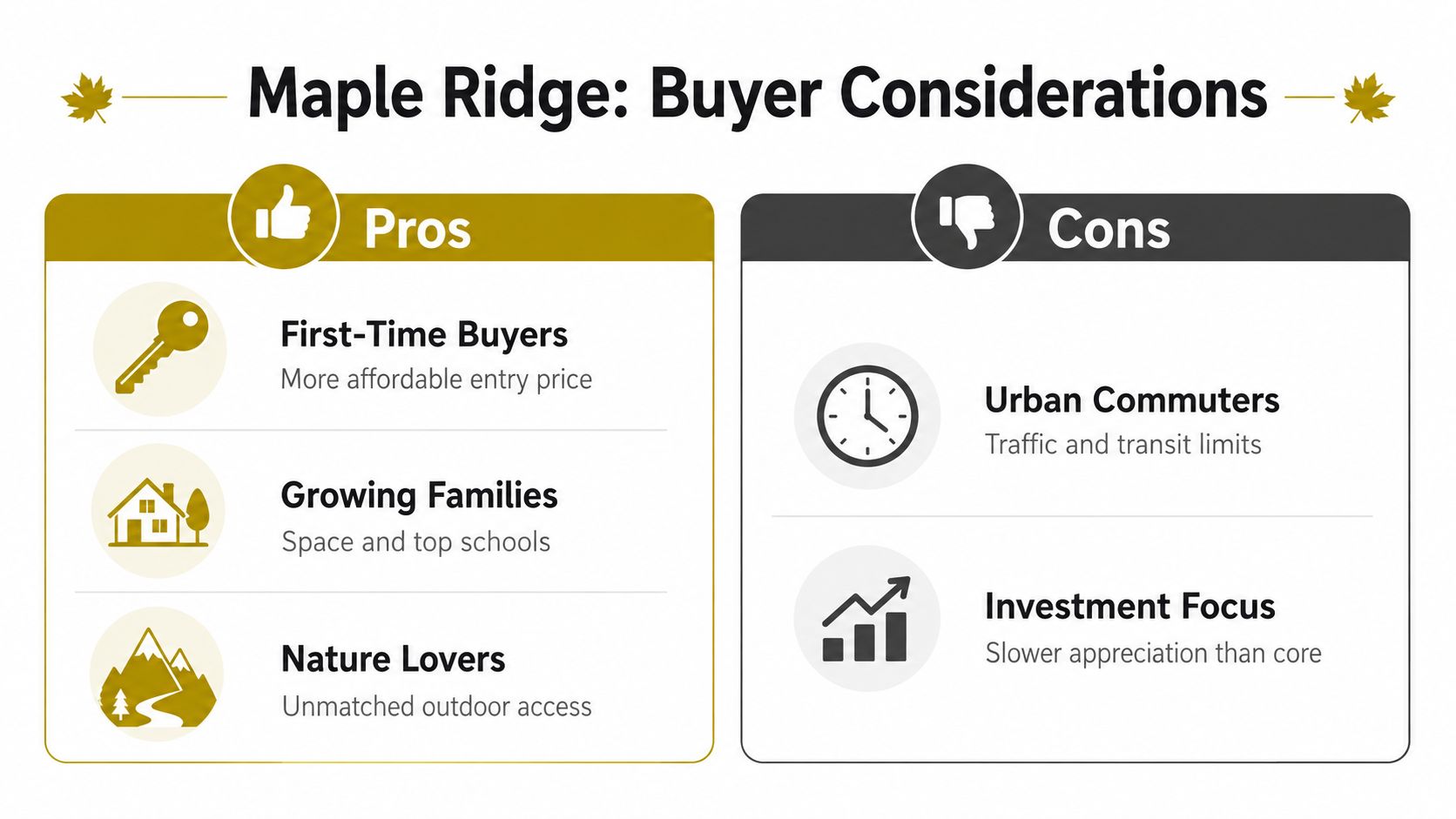
A Maple Ridge purchase can look smart on paper and still feel wrong in daily life. The city often gives buyers more space for the money, but that saving comes with real trade-offs, especially if you are choosing between here and a closer-in Metro Vancouver city. Commute time, car dependence, and neighbourhood-level satisfaction matter as much as the asking price.
What residents are reacting to
Different buyers experience Maple Ridge in very different ways. A family on a quiet street in Albion will not have the same day-to-day experience as a buyer near a busier corridor or a more service-heavy pocket of town. That is why a simple yes-or-no answer does not work. The better question is whether the city fits your budget, your routine, and the amount of compromise you are willing to accept.
First-time buyers
For first-time buyers, Maple Ridge often makes sense because ownership feels more reachable than in many closer-in Metro Vancouver cities. The trade-off is obvious once you start living the commute. A lower entry point can mean more time in traffic, more fuel costs, and a greater need to plan around driving for errands and work.
If you work from home most of the week, that trade-off is easier to live with. If you commute every day into Vancouver or Burnaby, the savings on the purchase side can shrink once you add the cost of time and transportation. Buyers comparing neighbourhoods should also use a first-time buyer neighbourhood guide for Maple Ridge so they can match the area to their actual routine, not just the listing price.
Move-up families
Families moving up from condos or smaller townhomes often get the clearest lifestyle gain here. They can usually find more room, better access to parks, and neighbourhoods that support school runs, sports, and backyard time. For many of my clients, that extra space is the reason Maple Ridge wins the comparison against tighter inner suburbs.
The caution is that satisfaction is not even across the city. The right street matters more than the city name on the listing sheet, and families who are sensitive to traffic noise, service access, or the feel of the block should look closely at the immediate area before committing.
Downsizers
Downsizers often like Maple Ridge for its community feel, natural setting, and lower-density environment. Those are real strengths if you want quiet streets and a slower pace after leaving a larger family home. The city can feel calmer than many closer-in options, and that matters to buyers who value space more than constant activity.
The trade-off is walkability. Some buyers expect a more urban routine after downsizing, with cafés, services, and daily errands close at hand. Maple Ridge does not always deliver that in the way they hope. If you want quiet and room, it can fit well. If you want a highly walkable, service-rich environment, you may feel boxed in.
Investors and landlords
Investors need to look at Maple Ridge with more discipline than emotion. The city's family appeal and ownership culture support rental demand, but its suburban structure and commute patterns mean it is not the same as buying in a transit-heavy core. That affects tenant expectations, turnover, and what kind of renter profile you are likely to attract.
If you are evaluating a rental property, local guidance matters. Services such as Royal LePage Brookside Realty Property Management can help with rental and management questions when that is part of the plan.
A practical local guide like this first-time buyer neighbourhood resource is especially useful if you are trying to decide whether your money stretches further in Maple Ridge or whether the commute would wear you down too quickly.
Next Steps for Buying or Selling in Maple Ridge
The best way to answer is Maple Ridge a good place to live is to spend time here like a resident, not a weekend visitor. Drive the route you'd use for work, schools, and errands. Visit the neighbourhood at different times of day, because a street that feels calm at 10 a.m. can feel very different at school pickup or after dinner.
Talk to people who already live in the area you're considering. Ask what they like about the street, what frustrates them, and what they wish they had known before buying. If you're narrowing between Albion, Silver Valley, Cottonwood, West Maple Ridge, or Kanaka Creek, that ground-level feedback is often more useful than any polished listing description.
For sellers, the strategy is just as specific. A home near schools, parks, or nature should be marketed around those real lifestyle strengths, while also addressing the practical questions buyers are already asking about commuting, service access, and neighbourhood feel. Pricing and presentation need to match the buyer profile you're most likely to attract.
If you're serious about moving here, review recent comparable sales with a local agent who knows the differences between blocks, not just postcodes. That's where the clearest advice comes from.
If you're weighing a move, or preparing to sell in Maple Ridge, Royal LePage Brookside Realty Property Management can help you make a grounded plan around local housing, rentals, and neighbourhood fit. Visit Royal LePage Brookside Realty Property Management if you want local guidance that matches your budget, timeline, and the way you live.